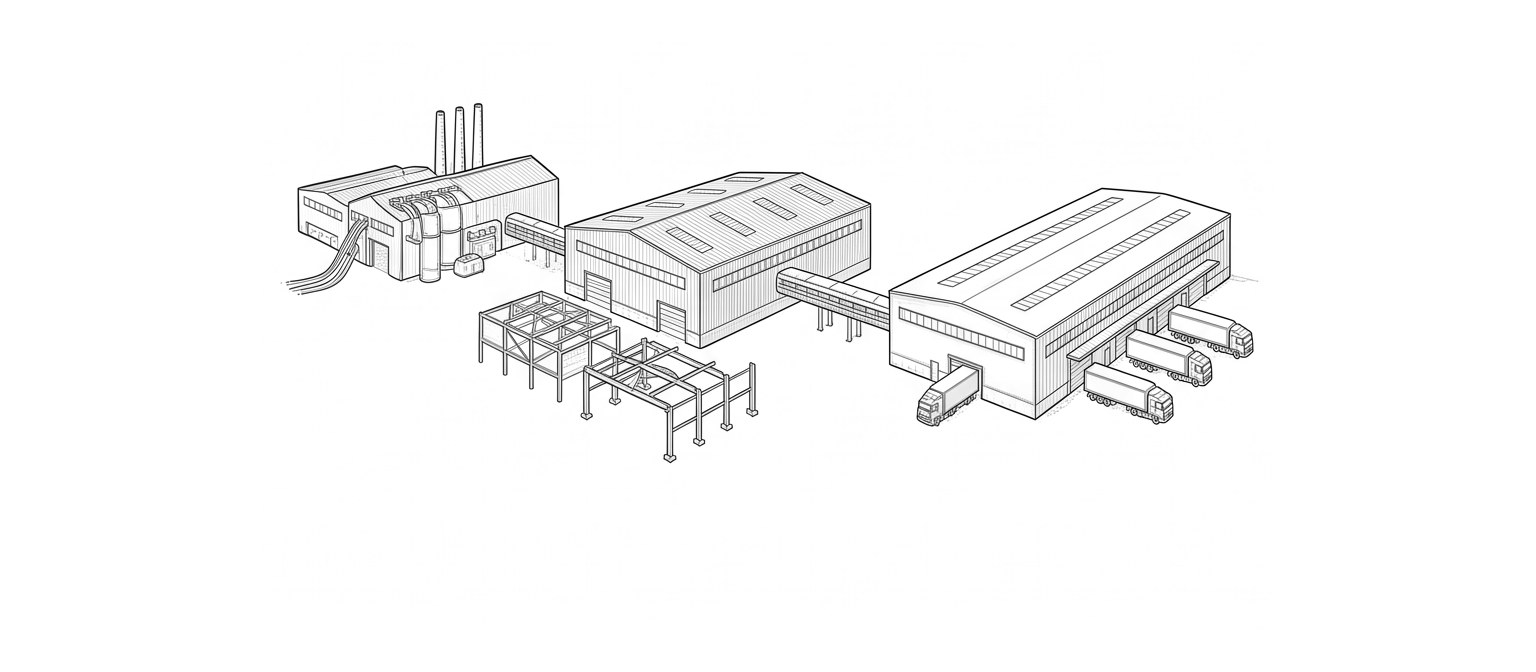
We frame partnership discussions through verified counterpart capabilities, defined technical scope and allocated commercial responsibilities.
Counterpart capabilities and cooperation scope
Potential counterpart roles include production, material supply, end-use consumption, carriage, terminal handling, finance and equipment provision. Capability descriptions must distinguish owned assets, operating control, contracted access and intermediary services.
Cooperation review addresses material specification, lot traceability, inspection access, transport interfaces, information exchange and payment exposure. The work boundary and obligations of each party require agreement rather than inference from a general partner description.
Named counterpart organizations, endorsements, exclusivity and joint projects require confirmation and publication approval. Proposed cooperation is not evidence of an executed agreement, joint venture or verified operating result.
Technical and commercial scope
Supply relationships
Producer identity, origin, lot documentation and confirmed supply scope.
Industrial relationships
Process acceptance, grade tolerances, consumption profile and receiving capacity.
Enabling relationships
Transport, payment, technical services and responsibility interfaces.
Cooperation scope and responsibility model
Shared objectives
Define product or project scope and technical objectives.
Complementary capabilities
Review evidenced capabilities and operating boundaries.
Agreed cooperation
Allocate deliverables, milestones and commercial exposure.
Indicative transaction interfaces — not a confirmed organizational structure, approval system or operating procedure.